Portugal's 10 Best Attractions
Portugal is a small country that contains an astonishing range of landscapes, history, and experiences. These ten are the ones that stay with you long after you leave.
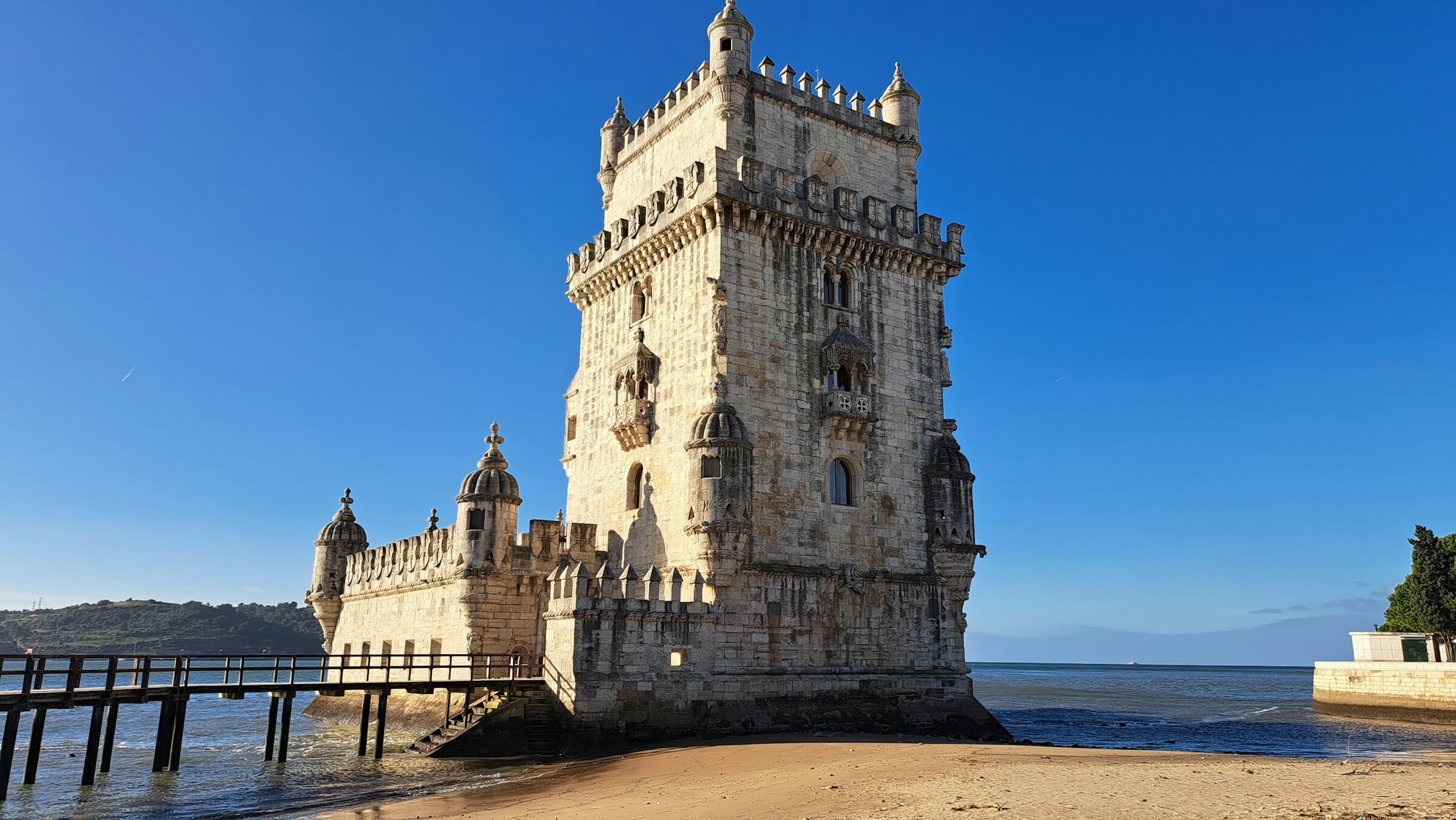
Belém Tower & Jerónimos Monastery
The Torre de Belém is the most recognisable symbol of Portugal's Age of Discovery: a Manueline fortified tower built in the early 16th century to guard the mouth of the Tagus and welcome home the ships of Vasco da Gama. A ten-minute walk inland brings you to the Jerónimos Monastery, arguably the finest example of Manueline architecture in the world. The cloister, carved from pale limestone into an intricate interplay of maritime ropes, armillary spheres, and exotic flora, is one of the most beautiful spaces in Europe.
The Belém neighbourhood also contains the Monument to the Discoveries, the excellent MAAT contemporary art museum, and, most importantly, the original Pastéis de Belém bakery, which has been making the definitive version of Portugal's national pastry since 1837. Go before or after the monuments, never skip it.
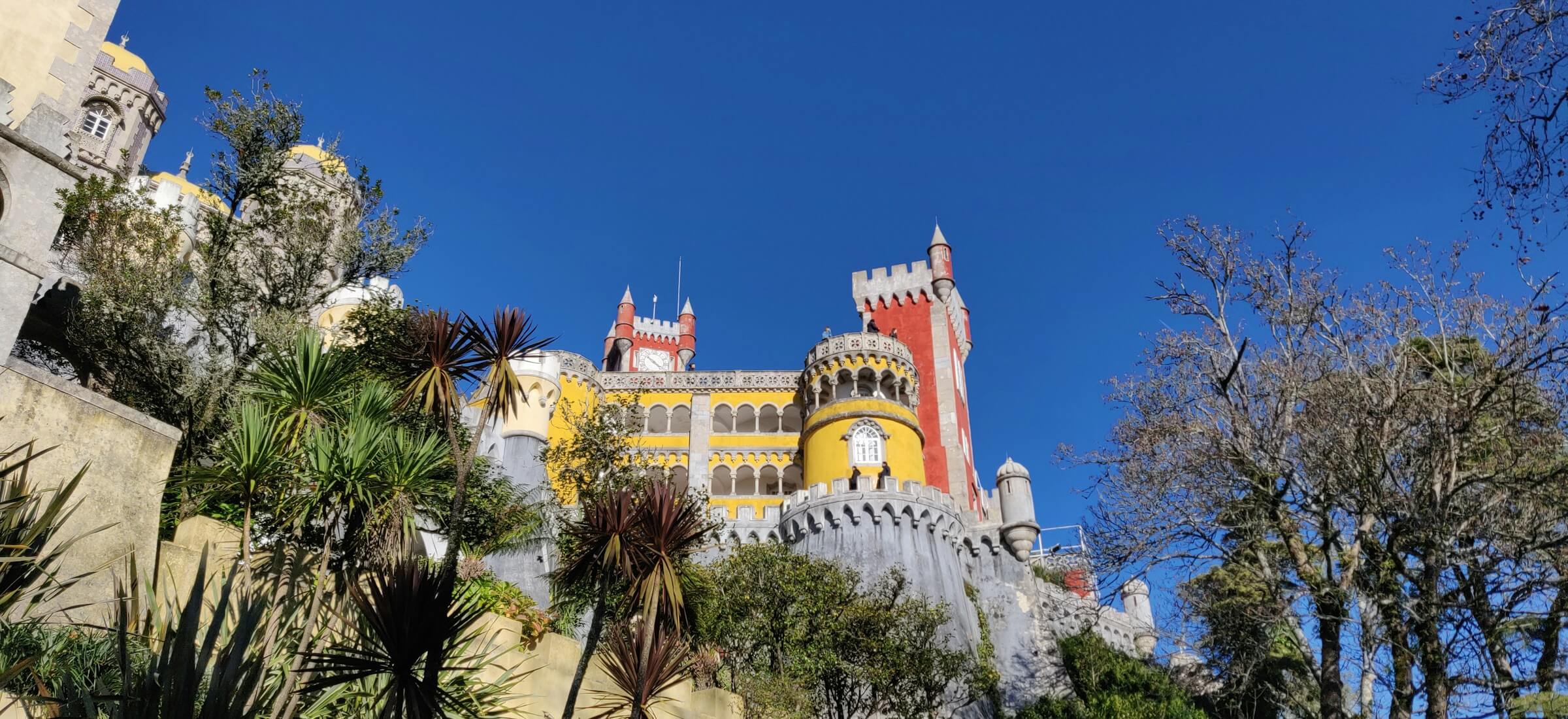
Pena Palace, Sintra
Perched on a rocky peak above the Serra de Sintra, the Palácio da Pena is one of the most theatrical royal residences anywhere in Europe. Built in the 19th century as a summer palace for King Ferdinand II, it combines Moorish, Gothic, Manueline, and Renaissance elements in a palette of saffron and deep terracotta. On clear days the views extend to Lisbon and the Atlantic coast. The surrounding Pena Park contains 200 hectares of exotic trees and footpaths worth exploring even without entering the palace itself.
Sintra is a UNESCO World Heritage Cultural Landscape. The town also contains the Moorish Castle ruins, the National Palace of Sintra in the town square, and the eccentric Quinta da Regaleira with its initiatic well. A single day is enough to touch the highlights; two days lets you do it properly.
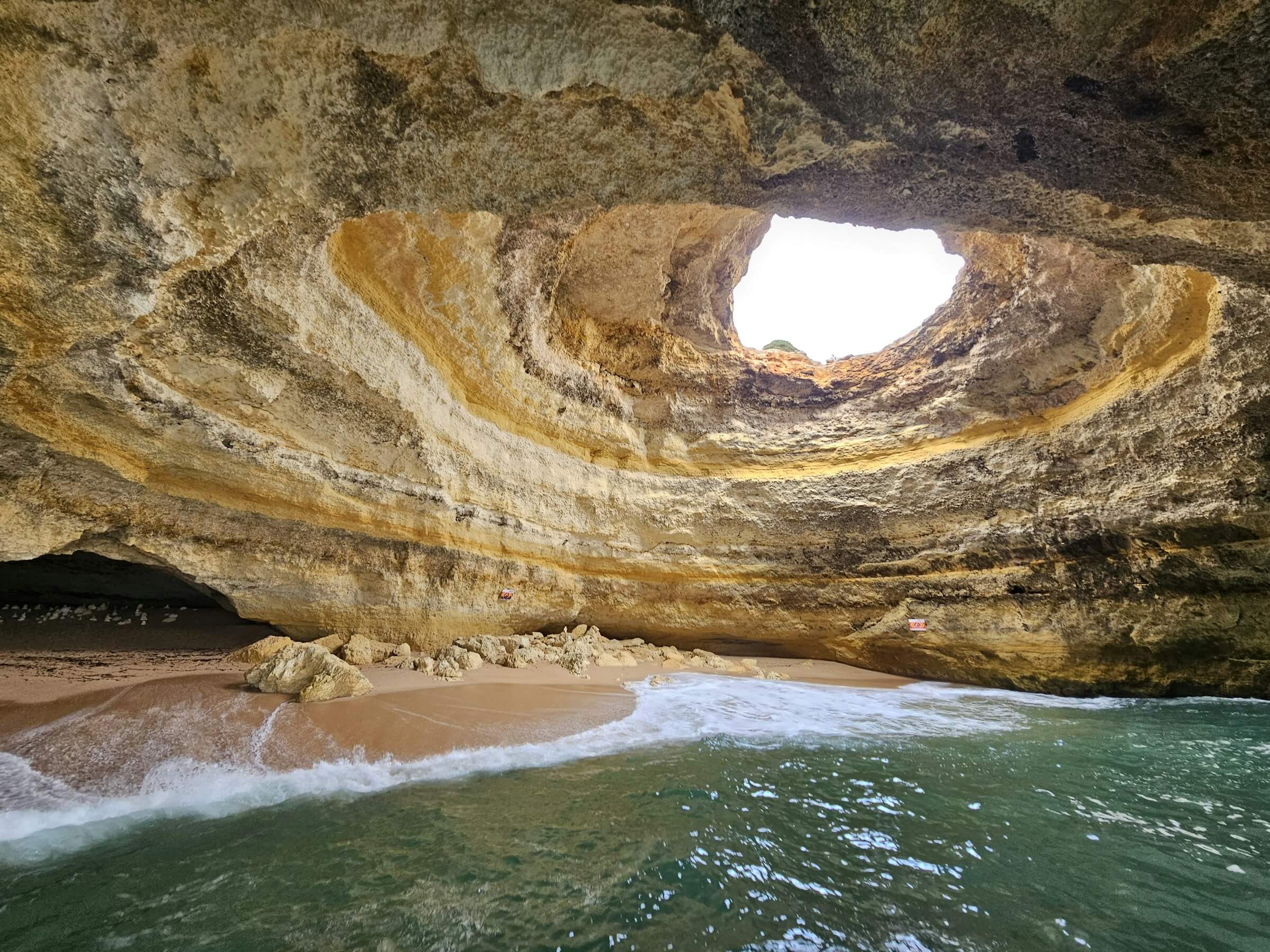
Benagil Sea Cave & the Algarve Coast
The Gruta de Benagil is one of Portugal's most astonishing natural formations: a cathedral-sized sea cave whose domed roof is punctured by a circular skylight open to the sky, with a beach of golden sand at its floor, accessible only by sea. The Algarve coastline that contains it, running from Lagos to Faro, is equally remarkable above the waterline: sculpted limestone stacks, arched sea rock formations, and beaches tucked into coves reachable only on foot.
Ponta da Piedade near Lagos is the other unmissable coastal formation, a labyrinth of sea stacks, grottos, and tunnels best explored by kayak or small boat. The boat tours departing from Lagos run most of the year and take between one and two hours. A guided kayak tour at dawn, when the rock formations glow amber in the early light, is one of Portugal's most memorable experiences.
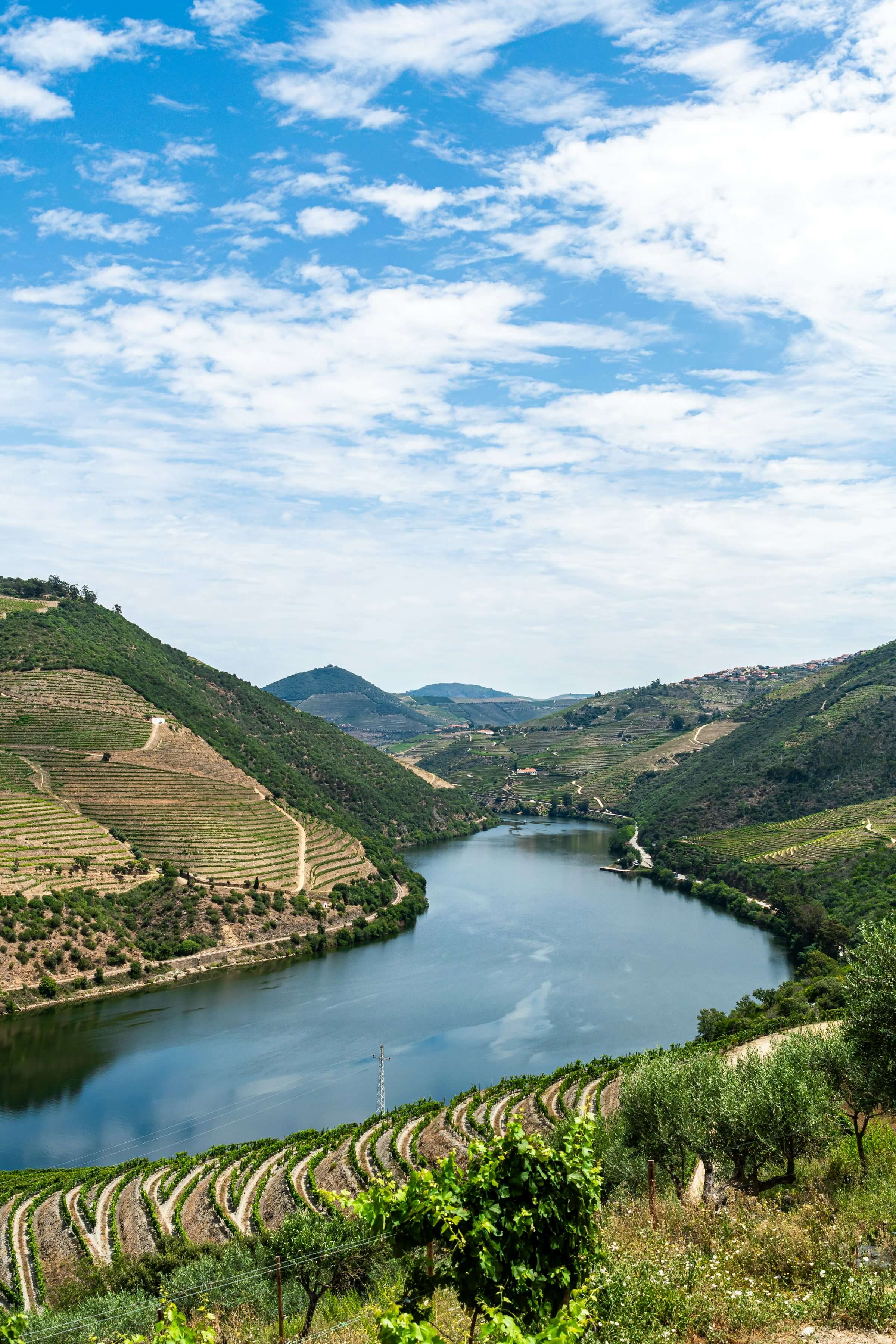
Douro Valley
The Douro Valley is a UNESCO World Heritage Site and one of the most visually extraordinary wine regions on Earth. The river cuts through schist and granite for hundreds of kilometres east of Porto, its steep valley sides terraced into a staircase of vineyards that produce both Port wine and increasingly celebrated Douro table wines. In late September and early October, the harvest brings the vineyards to life; the rest of the year the landscape is quietly magnificent in every direction.
The classic Douro experience is a boat cruise combined with a visit to one of the old quintas (wine estates) for a tasting. Day tours from Porto typically include a train journey through the valley, a cruise on the river, a quinta visit, and lunch. It is one of the finest day trips in Portugal and genuinely difficult to do wrong.
Porto's Ribeira & the Port Wine Cellars
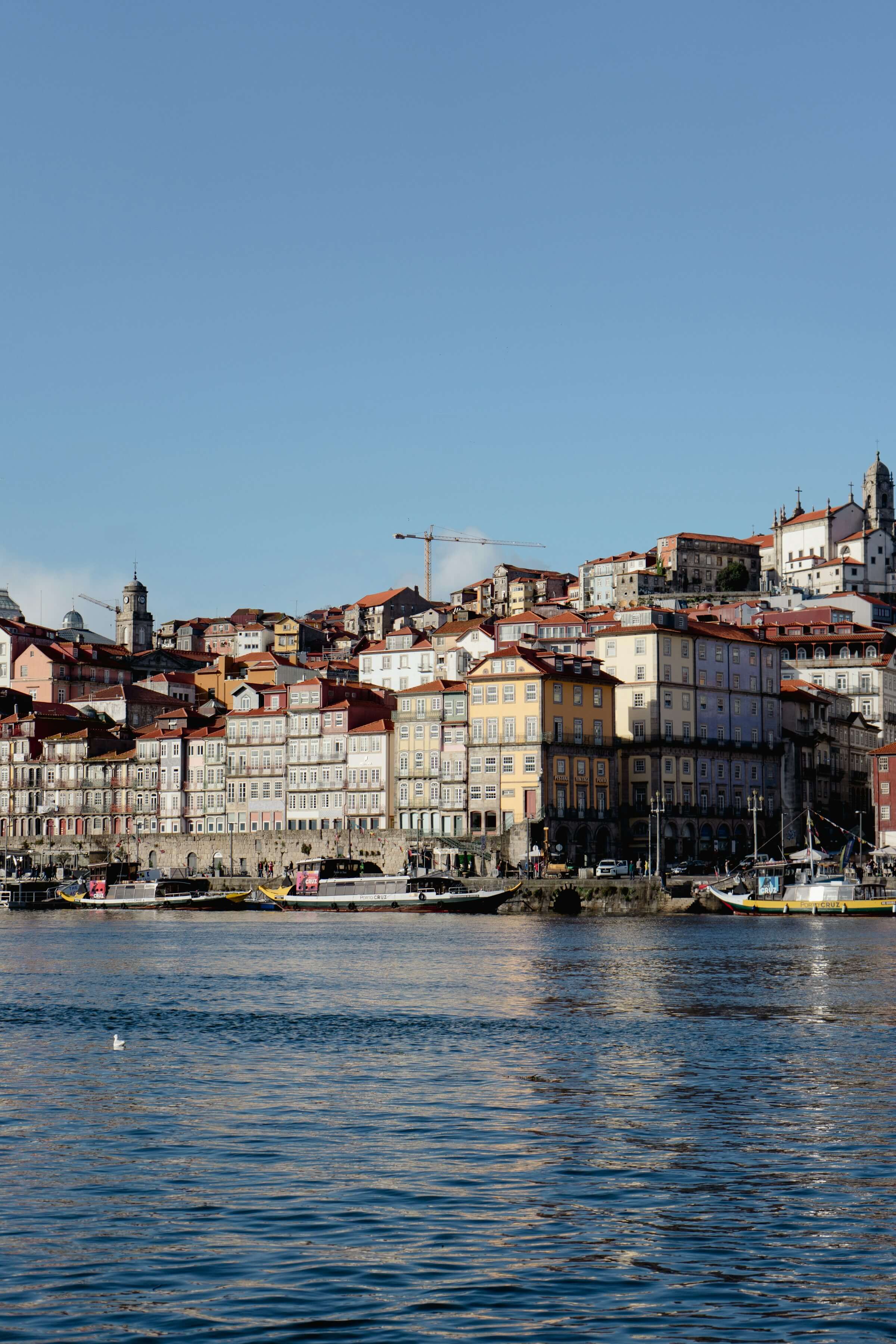
The Ribeira is Porto's riverside quarter: a UNESCO-listed tangle of medieval lanes, azulejo-tiled houses stacked above the Douro, and waterfront cafes looking across to the Vila Nova de Gaia wine lodges on the south bank. The Dom Luís I bridge, a double-decked iron arch designed by a pupil of Gustave Eiffel, connects the two banks and provides one of the best views in the country from its upper level.
Across the bridge in Gaia, the great Port wine houses, Taylor's, Graham's, Sandeman, Ramos Pinto, open their cellars to guided tours and tastings year-round. Spend a morning in the Ribeira, cross for lunch and a cellar tour in the afternoon, and watch the sun set behind the bridges from the Gaia waterfront. This is Porto done well.
Nazaré
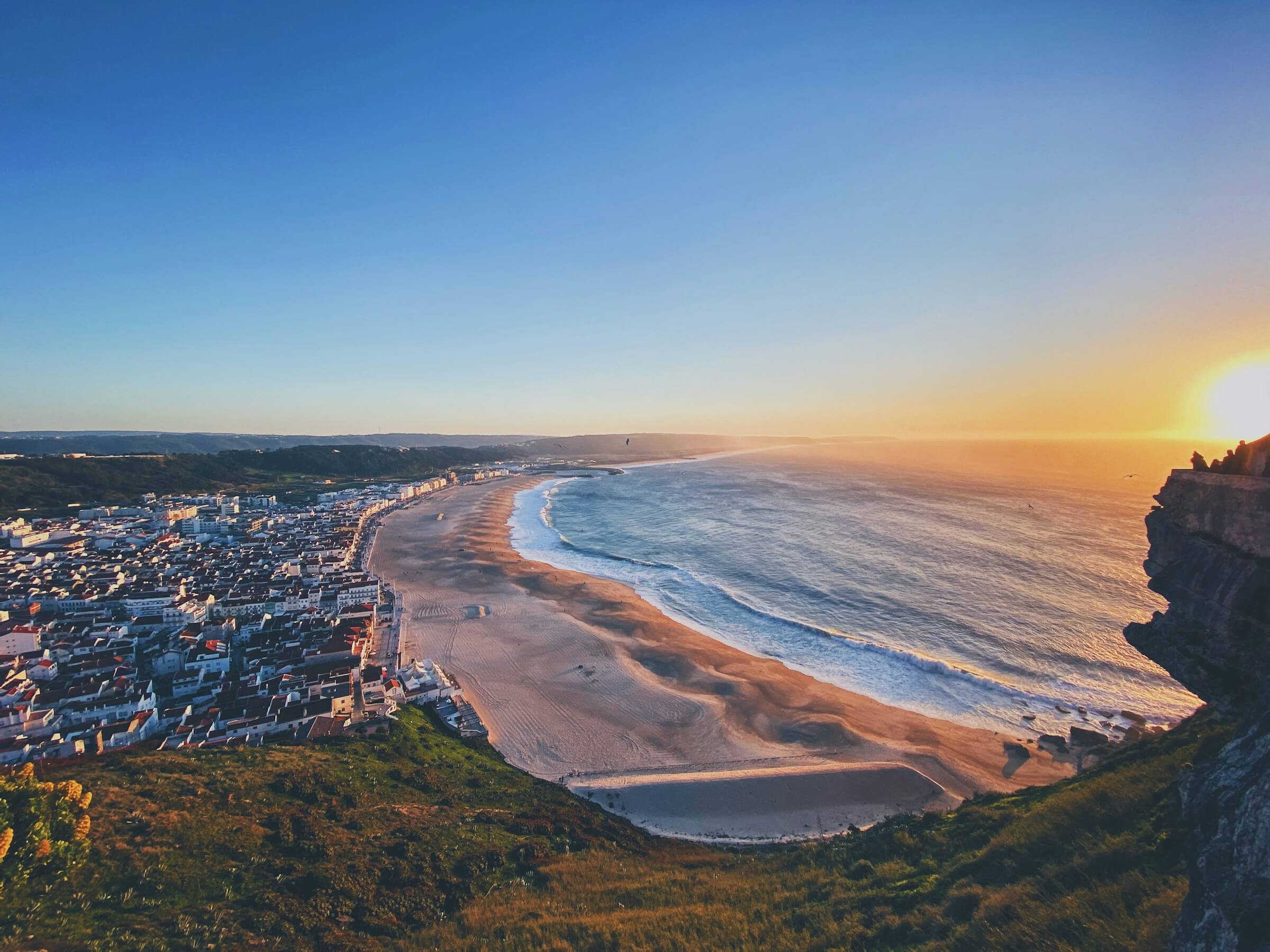
Nazaré is an old Atlantic fishing village that has become world-famous for an unlikely reason: it regularly produces the largest surfable waves on Earth, sometimes exceeding 30 metres, generated by an underwater canyon that funnels Atlantic swells directly toward the Praia do Norte. Between October and March, big wave surfers from around the world gather at Fort of São Miguel Arcanjo on the Sítio headland to watch or compete. The rest of the year, Nazaré is a traditional Portuguese beach town with a colourful fishing community, a funicular up the cliff to the old Sítio quarter, and an excellent beach.
Nazaré is easily combined with the medieval walled village of Óbidos, 30 kilometres to the south, as a day trip from Lisbon or a stop en route to Porto.
Quinta da Regaleira, Sintra
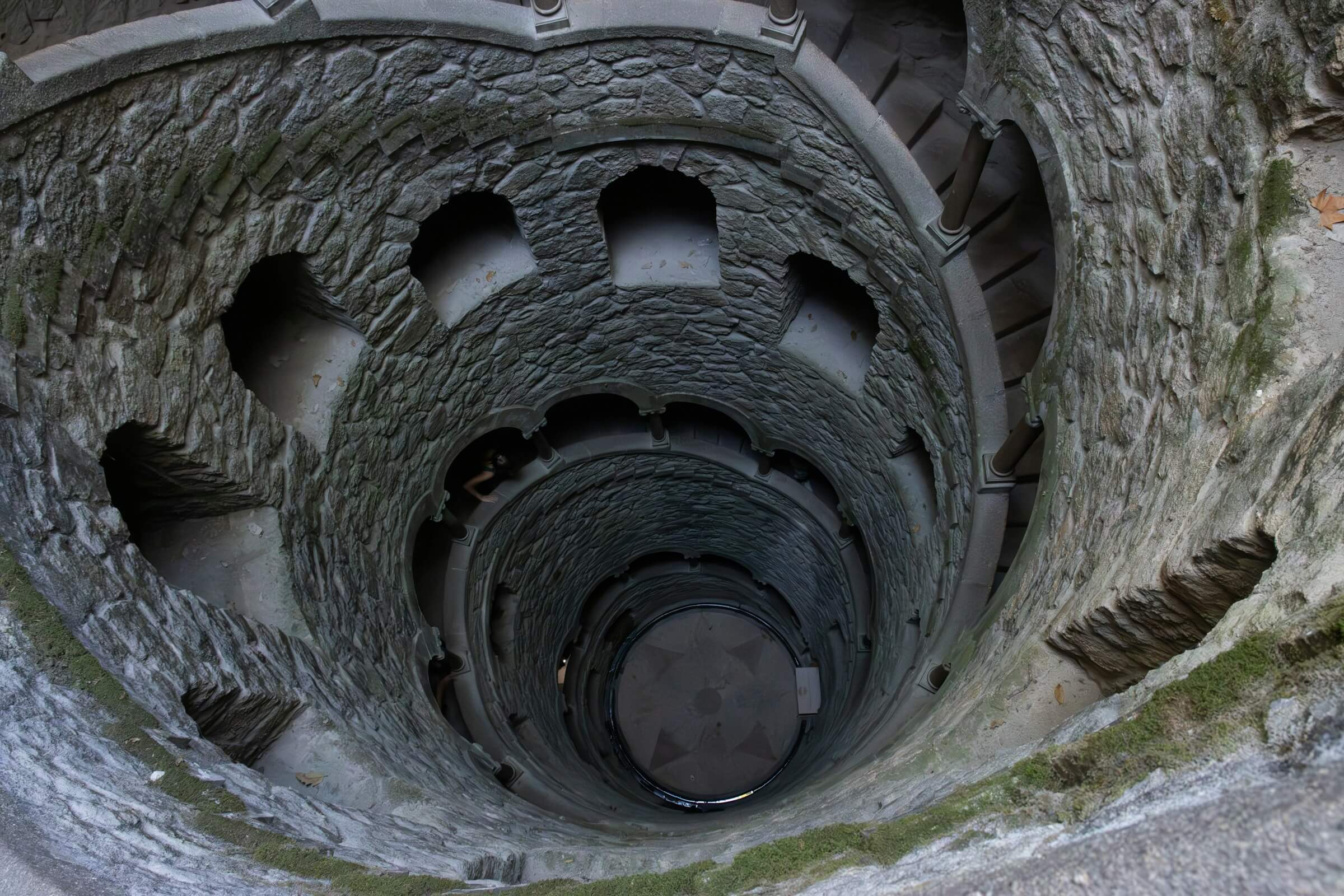
The most singular estate in Sintra is not a royal palace but a private folly. The Quinta da Regaleira was built at the turn of the 20th century for a wealthy Brazilian-Portuguese merchant with a taste for Freemasonry, alchemy, and Rosicrucian symbolism. The result is a neo-Gothic palace surrounded by garden grottos, terraced fountains, a chapel, and most famously the Initiatic Well: a spiral staircase descending nine levels into the earth, connected by underground tunnels, representing the nine circles of Dante's Inferno and the nine circles of Paradise.
The well is photogenic beyond belief and very popular. Go early in the morning, or book a guided evening tour when the tunnels are lit and the crowds have cleared.
Évora & the Alentejo
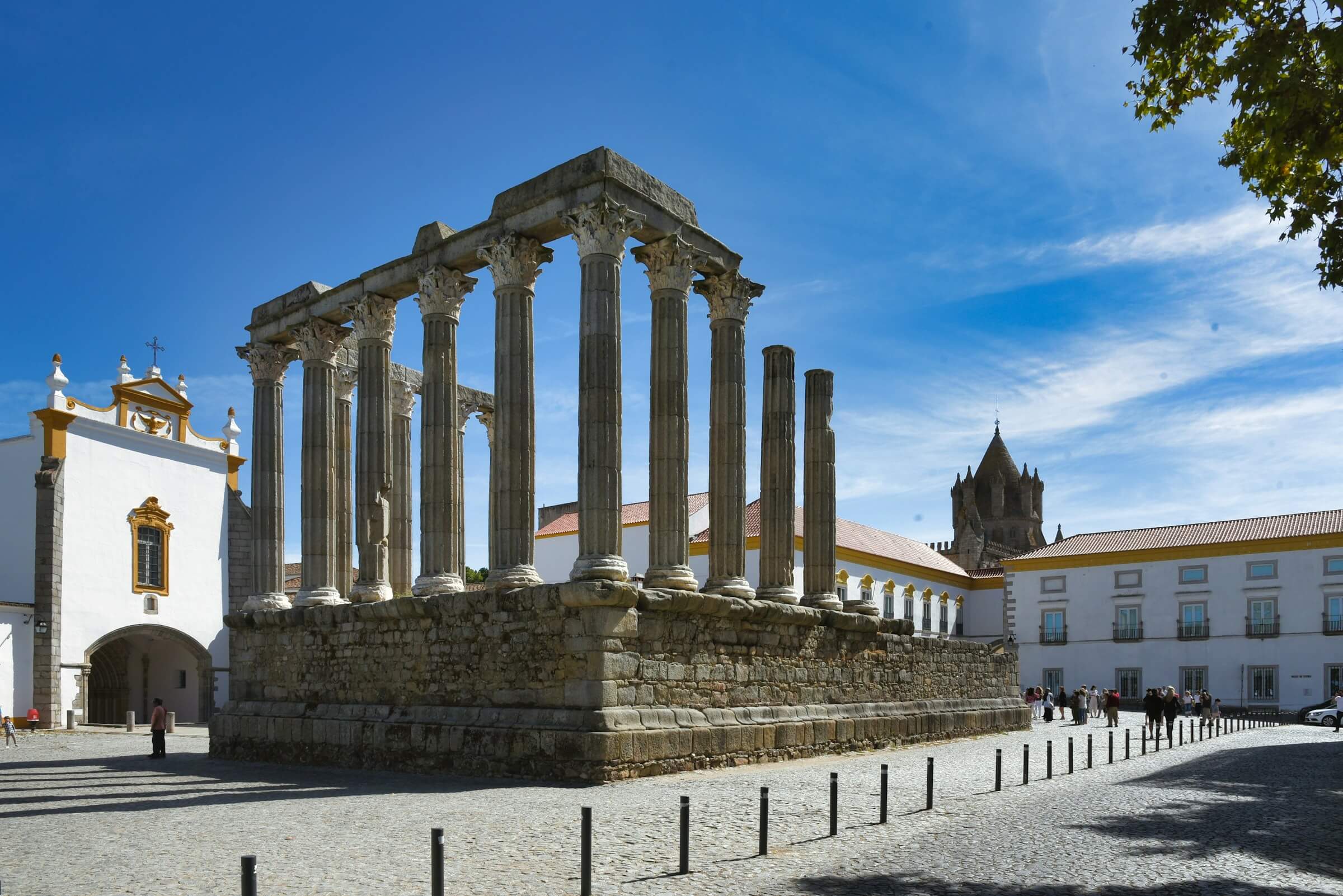
Évora is a UNESCO World Heritage city in the Alentejo region, Portugal's great interior plain, and one of the best-preserved medieval towns in Iberia. The old city is ringed by Roman walls and contains the remarkably intact 2nd-century Temple of Diana, a Moorish quarter of whitewashed lanes, a Gothic cathedral, and the distinctly unsettling Chapel of Bones, whose walls are lined with the skulls and femurs of 5,000 monks with the inscription: "We bones that are here await yours."
The surrounding Alentejo cork oak landscape, with its ancient dolmens and cromlechs older than Stonehenge, makes Évora an excellent base for exploring megalithic Portugal. The region also produces some of Portugal's finest wines and olive oils. It is consistently one of the most rewarding day trips from Lisbon.
Madeira's Levada Walks
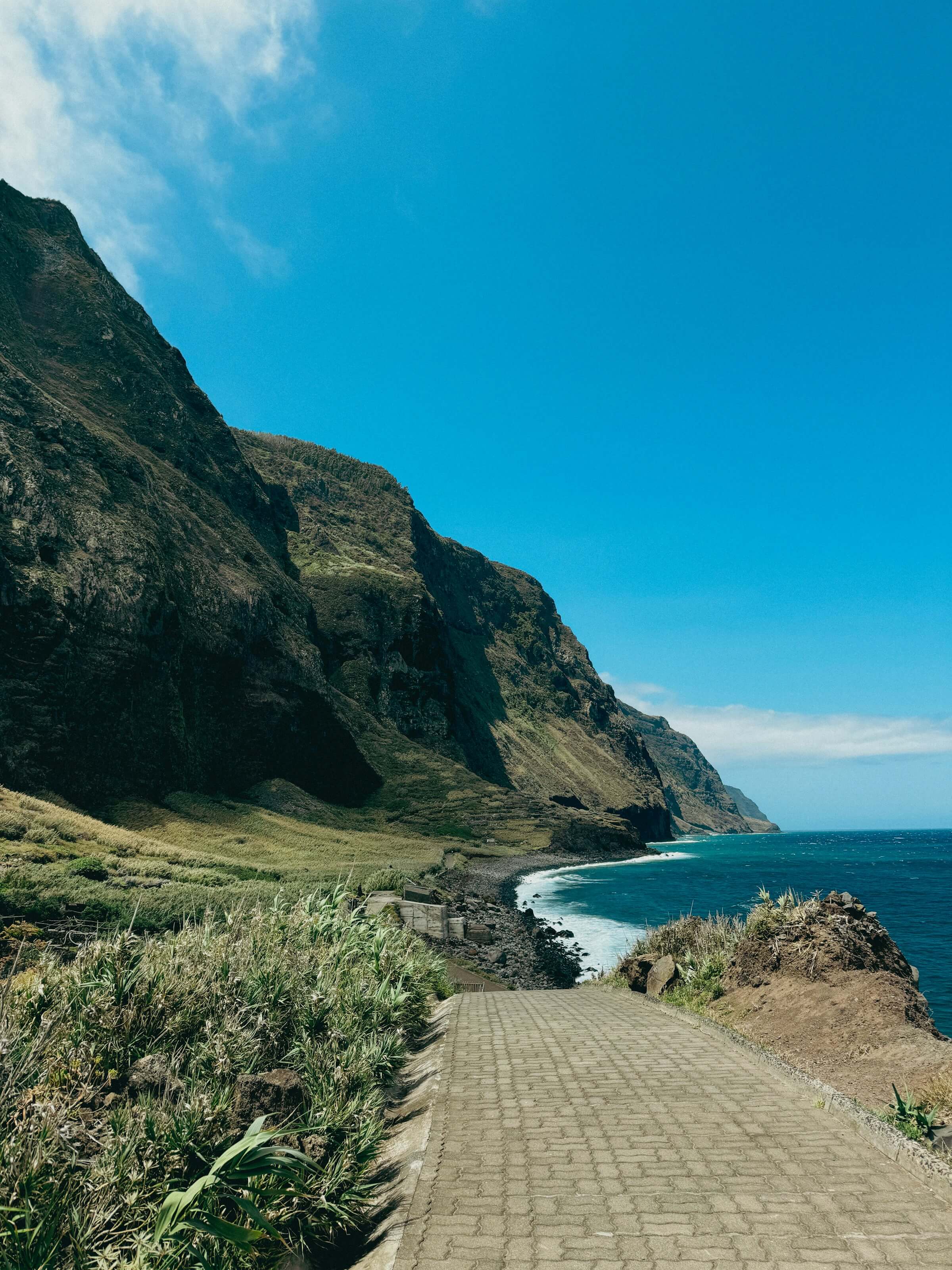
Madeira's levadas are a network of centuries-old irrigation channels, totalling over 2,000 kilometres, that carry water from the island's rainy north down to the drier south. The footpaths that run beside them have become one of Europe's great walking destinations. The most celebrated route, the Levada do Caldeirão Verde in the Queimadas Forest Park, takes walkers through a tunnel of ancient laurisilva forest, a UNESCO-listed relic ecosystem dating from the Tertiary period, to a 100-metre waterfall at the valley head.
Madeira also offers whale watching in the deep Atlantic waters off its coast, traditional toboggan rides down from Monte to Funchal, and the extraordinary cliff-top village of Santana with its thatched A-frame houses. The island is genuinely unlike anywhere else in Portugal or indeed Europe.
Alfama & Fado in Lisbon
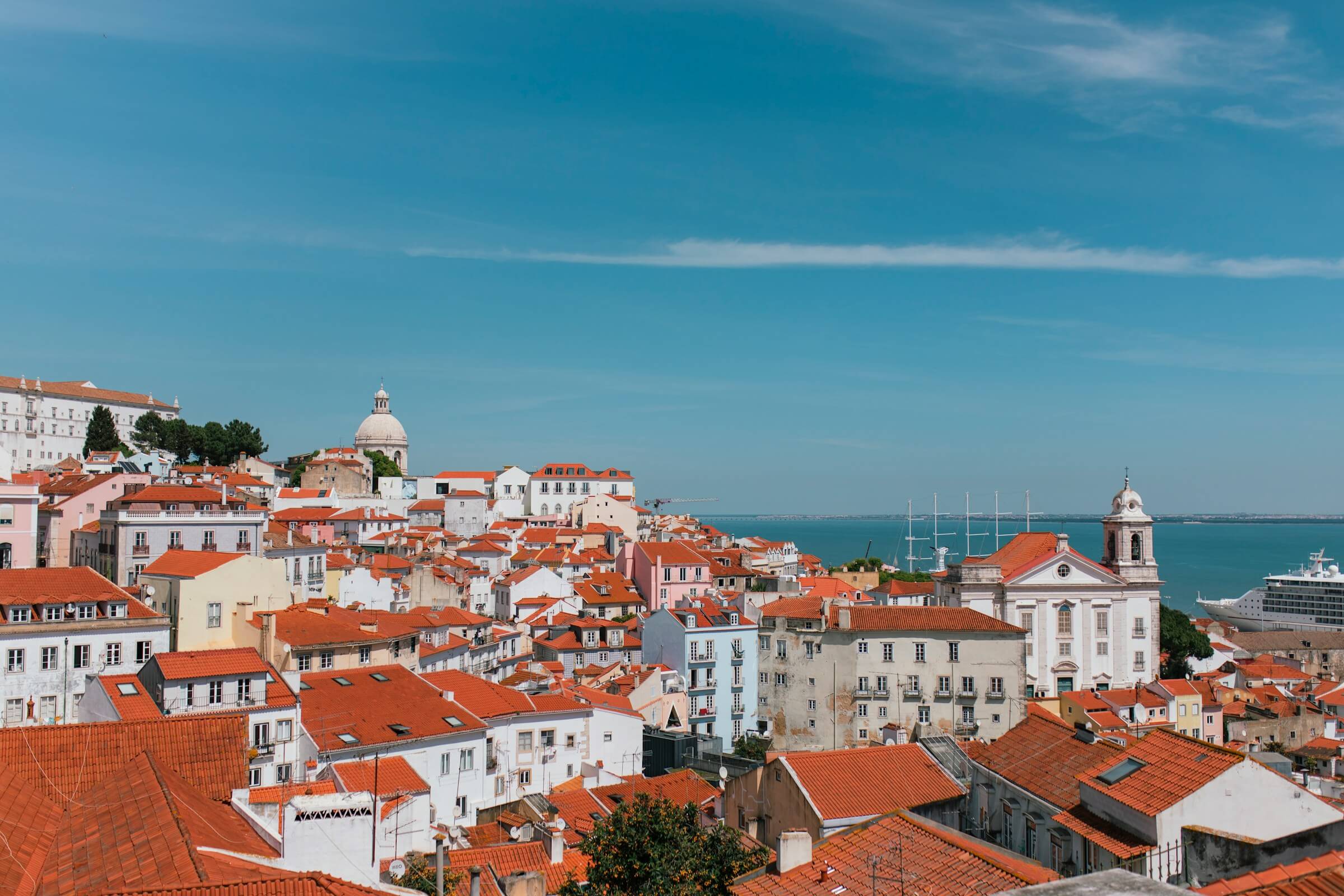
Alfama is Lisbon's oldest quarter, a hillside Moorish medina that survived the 1755 earthquake that levelled most of the city. Its steep lanes, tiled staircases, and terracotta rooftops cascade down from the São Jorge Castle to the Tagus below. The miradouros, viewpoint terraces, at Santa Luzia and Portas do Sol are among the finest city panoramas in Europe. In the evening, the neighbourhood becomes the epicentre of Fado, Portugal's melancholic urban music form, and the UNESCO-recognised cultural heritage that belongs to Lisbon as much as jazz belongs to New Orleans.
The best Fado houses in Alfama are small, intimate, and require booking well in advance. A Fado dinner is one of the most memorable evenings Lisbon offers, combining food, wine, and live music in the genre's spiritual home. Walking tours of Alfama by day and a Fado experience by night is the Lisbon combination that no other city can replicate.
Ready to Book Your Tours?
Browse hundreds of tours and experiences across Portugal on GetYourGuide and Viator. Real-time availability, instant confirmation, free cancellation on most bookings.