Portugal's Ancient Capital
Lisbon is old in the way that matters: old enough to have been shaped by Phoenicians, Romans, Moors, and medieval Christian kingdoms before the 16th century sent its explorers across the world's oceans. The traces of all of it are still visible, from the Moorish street plan of Alfama to the Manueline stonework of Jerónimos Monastery. Yet Lisbon does not feel like a museum. It is a working European capital with a strong restaurant scene, a thriving creative culture, and an openness that comes partly from centuries of being a city of arrivals and departures.
The city is built on hills, which gives it drama and inconvenience in equal measure. The miradouros (viewpoint terraces) scattered across the upper neighbourhoods offer panoramas across the terracotta rooftops to the wide Tagus below. The old yellow trams, though very slow and very crowded, are an authentic part of the city's fabric rather than a tourist gimmick. The LX Factory, a converted riverside industrial complex, represents the newer Lisbon: creative, informal, and consistently interesting at weekends.
Top Things to Do in Lisbon
1. Explore the Alfama
Lisbon's oldest quarter is a Moorish medina that survived the catastrophic 1755 earthquake largely intact. Its steeply terraced lanes, tiled stairways, and laundry-strung alleyways cascade down from the São Jorge Castle to the waterfront below. The castle itself offers the best panoramas in the city. The neighbourhood is at its most alive in the early evening, when Fado music begins drifting from the casas de fado and the miradouros fill with locals and visitors watching the light change over the Tagus.
2. Belém: Tower, Monastery & Pastéis
The Belém riverfront district, five kilometres west of the city centre, is where Portugal's Age of Discovery is best commemorated. The Jerónimos Monastery is the finest piece of Manueline architecture in existence: a style unique to 16th-century Portugal that weaves maritime imagery, coral, ropes, and armillary spheres into intricate stone. The Belém Tower, guarding the entrance to the Tagus, is the country's most photographed building. The Pastéis de Belém bakery, a 10-minute walk away, has been making the original pastel de nata since 1837. Do all three in a morning.
3. Mouraria & the Intendente
The Mouraria, the Moorish quarter beneath the castle, is one of Lisbon's most atmospheric neighbourhoods and one of its most culturally diverse. The Largo do Intendente square, once badly neglected, is now the hub of a neighbourhood that mixes old Lisbon with a new generation of restaurants, community gardens, and street art. The Mouraria is also Fado's birthplace: the genre is said to have first emerged in these lanes in the early 19th century among the working poor of the old city.
4. Museu Nacional do Azulejo
Portugal's unique tradition of decorative tile-making spans five centuries and crosses architecture, history, and folk art. The National Tile Museum, housed in a 16th-century convent in the Madre de Deus quarter, is the best place to understand it. The collection spans the full history of azulejo production in Portugal, from Moorish geometric patterns to 18th-century baroque blue-and-white narrative panels to contemporary art tiles. The convent church and its tiled cloisters are extraordinary even before you reach the museum galleries.
5. LX Factory & the Ribeira
The LX Factory is a repurposed 19th-century textile factory beneath the 25 de Abril bridge, now home to independent shops, restaurants, studios, and a weekend market that is one of Lisbon's best weekend activities. The Ribeira market (Mercado da Ribeira, now rebranded as Time Out Market) is housed in a beautiful old iron-framed market hall at Cais do Sodré and provides a concentrated introduction to Lisbon's food scene across a large food hall.
6. Evening Fado
Attending a Fado performance in Lisbon is not a tourist trap; it is one of the genuine cultural experiences available in any European capital. The best houses are small, the performers are professional, and the music is live and unrepeated. The Alfama has the highest concentration of casas de fado, ranging from tourist-facing dinner shows to intimate neighbourhood houses. Book well in advance for the better venues, particularly in summer.
Best Tours from Lisbon
 Viator
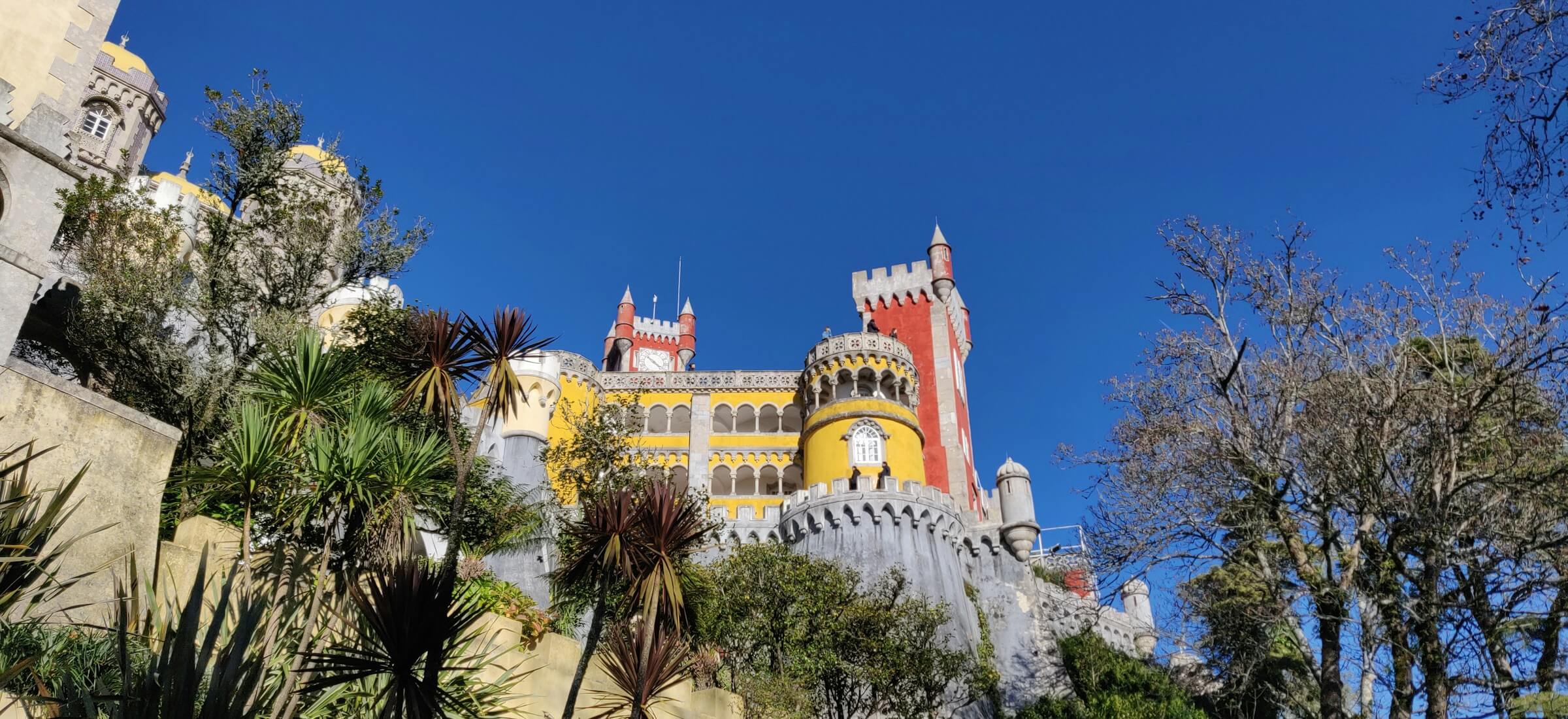
Sintra, Cascais & Cabo da Roca
The classic Lisbon day trip. Pena Palace, the westernmost point of continental Europe, and the Estoril Coast in a single well-paced day.
Book on Viator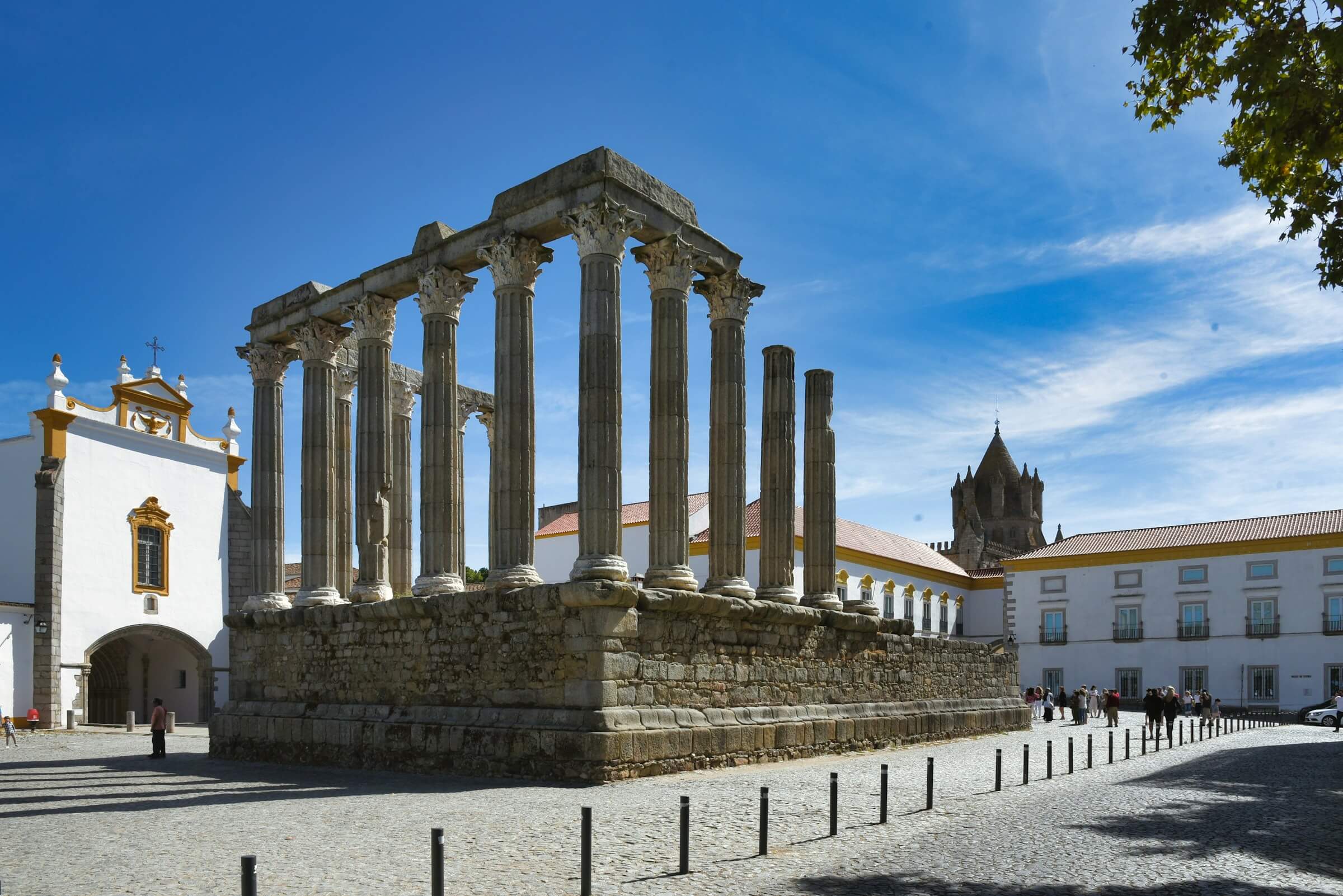 GetYourGuide
Évora & Alentejo Wine Tour
The medieval UNESCO World Heritage city of Évora plus an Alentejo winery tasting. One of the best full-day tours from Lisbon.
Book on GetYourGuideGetting Around Lisbon
Lisbon's metro is efficient for the flat neighbourhoods: Oriente, Marquês de Pombal, Baixa-Chiado, and Parque. The Tram 28, which runs from Martim Moniz through Alfama and up to Campo de Ourique, is iconic but extremely slow and very crowded; take it once, enjoy it, and then use the metro for getting anywhere on time. The Bica and Glória funiculars are genuine public transport still used by locals. Lisbon has a public bike hire system (GIRA) that works well in the flat Parque das Nações and Belém areas; the hills make cycling in the historic centre impractical for most visitors.
Day Trips from Lisbon
Sintra (40 minutes by train from Rossio) is the obvious and best first choice. Setúbal and the Arrábida Natural Park (one hour by car, spectacular limestone cliffs and turquoise water) is underrated. Óbidos (90 minutes north) is the most perfectly preserved medieval walled town in Portugal. Évora (90 minutes east) is the Alentejo's greatest city. The Algarve is 2.5 hours by fast train from Lisbon to Faro, making it viable as a multi-day addition but not a practical day trip on its own.