Portugal's Atlantic Island
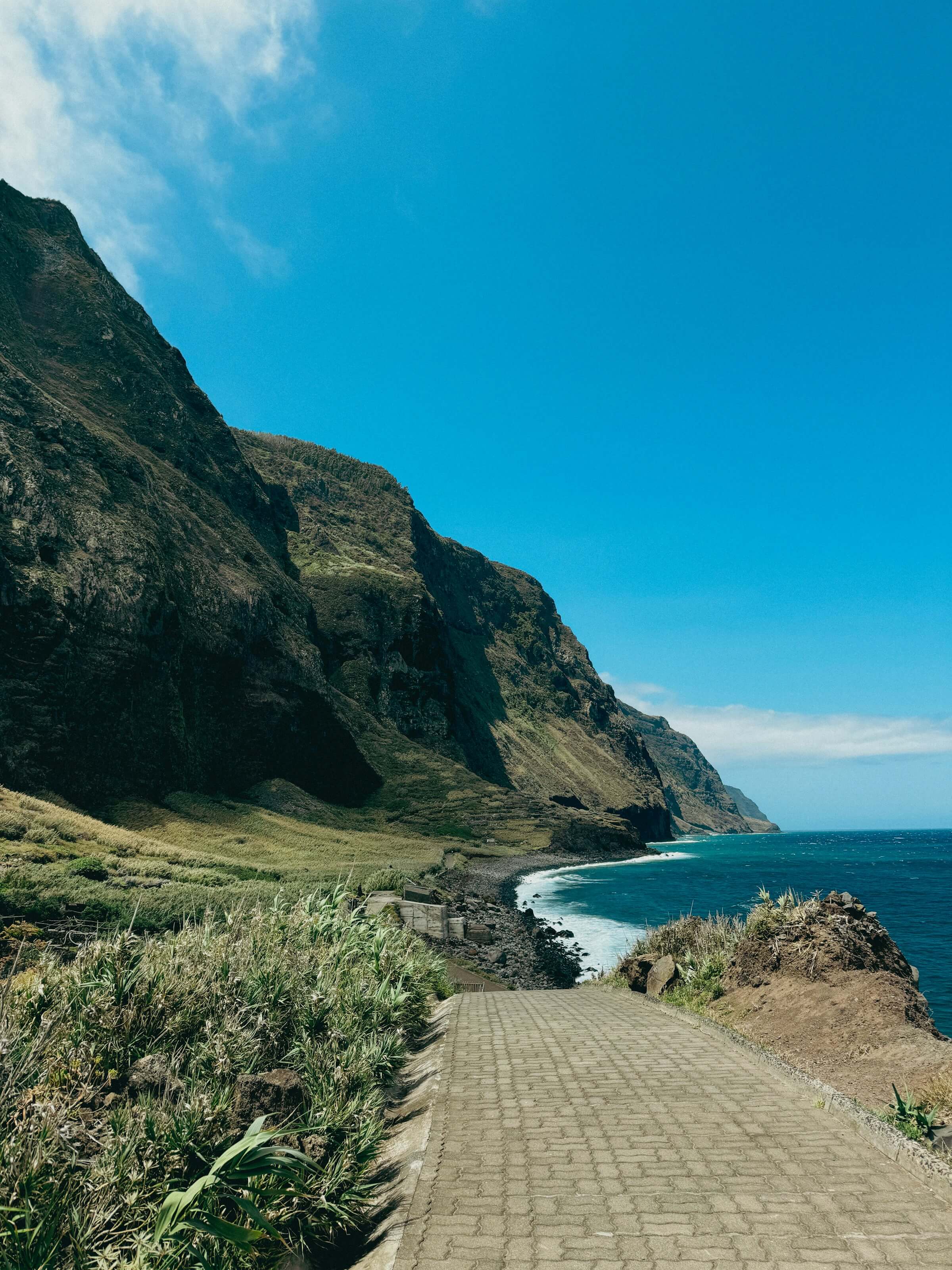
Madeira sits alone in the Atlantic, 978 kilometres southwest of Lisbon and 700 kilometres off the coast of Morocco. It is a Portuguese territory with a subtropical climate, a volcanic landscape of dramatic peaks and deep ravines, and an ecology unique in the world: the Laurisilva forest that covers the island's northern heights is a UNESCO-listed relic of the ancient forest type that once covered southern Europe before the ice ages and is now found in only a few places on Earth.
Madeira is unlike any other European island and unlike Portugal's mainland. There are no beaches in the traditional sandy sense (the island is volcanic basalt); swimming is from lava pools and pebble coves. The interior is a walker's paradise of levada irrigation channels and mountain trails. The capital Funchal is a proper small city with good museums, a cathedral, an excellent market, and the Old Blandy's Wine Lodge, where Madeira wine has been produced since the early 18th century. The island is popular with older northern European visitors in winter, but increasingly attracts younger travellers for the walking, the sea, and the landscapes.
Top Things to Do in Madeira
1. Levada Walks
The levadas are Madeira's network of centuries-old irrigation channels, carrying water from the wet northern mountains down to the drier southern coastline. Over 2,000 kilometres of channels exist, and the footpaths that run beside them have become one of Europe's premier walking destinations. The most celebrated route, the Levada do Caldeirão Verde (accessible from Queimadas Forest Park near Santana), takes walkers through four tunnels in the ancient laurel forest to a 100-metre waterfall at the valley head. The walk takes around 4 hours return and requires a headtorch for the tunnels. The Levada das 25 Fontes in the Rabacal Valley, reaching 25 springs and a waterfall pool, is equally spectacular and slightly easier.
2. Monte & the Toboggan Ride
The Monte suburb above Funchal has been a hill resort since the 19th century, when the mountain railway brought Funchal's wealthier residents up to the cooler air. The Monte Palace Tropical Garden, set around a former hotel, contains remarkable collections of azulejo panels, Far Eastern art, and exotic plants from around the world. The unmissable experience at Monte, however, is the traditional toboggan ride: a wicker basket on wooden runners, piloted by two men in white (the carreiros) down three kilometres of steep road back to Funchal. Running since at least 1850, it is extraordinary, slightly reckless, and genuinely fun.
3. Whale & Dolphin Watching
The deep Atlantic waters around Madeira are some of the richest cetacean habitats in the world. Resident populations of short-finned pilot whales, sperm whales, and bottlenose dolphins are seen year-round; transient species including blue whales, fin whales, and sei whales pass during migration seasons. A former shore-based whale hunting station on the south coast, now the Museu da Baleia in Caniçal, tells the history of the island's whaling industry, which only ended in 1981. Whale watching boat tours depart from Funchal marina year-round and are among the best in Europe for sightings.
4. Funchal Old Town & Mercado dos Lavradores
Funchal's Zona Velha (Old Town) is a compact quarter of basalt-cobbled streets below the cathedral, best known for the Rua de Santa Maria where local artists have painted the doors of every building in an ongoing outdoor art project. The Mercado dos Lavradores (Workers' Market), a covered Art Deco market hall, is the heart of Funchal's food culture: flower sellers in traditional costume, stalls of exotic tropical fruits (Madeira custard apple, passion fruit, banana), live fish tanks, and the loud, informal energy of a functioning city market rather than a tourist attraction.
5. Madeira Wine Tasting
Madeira wine is one of the world's most unusual fortified wines: a wine deliberately oxidised and heated during production, which gives it extraordinary longevity and an equally extraordinary flavour range, from the dry Sercial and Verdelho styles to the rich Bual and Malmsey. A bottle of Madeira from the 19th century can still be alive and extraordinary. The Old Blandy's Wine Lodge in Funchal offers guided cellar tours and tastings year-round. Tasting a 10-year or 20-year Colheita alongside a knowledgeable guide is a genuinely enlightening experience for anyone interested in wine history.
6. Pico do Arieiro & Mountain Hiking
Madeira's third highest peak, Pico do Arieiro at 1,818 metres, is accessible by road and provides views above the cloud layer across the mountain ridgeline and down to the coast far below. The most celebrated hike on the island links Pico do Arieiro with Pico Ruivo (Madeira's highest point at 1,861 metres) via an eight-kilometre ridge trail with tunnels through the rock and views in both directions across the island. The walk takes around three to four hours one way and requires a guide or good navigation skills; guided versions are available year-round.
Best Madeira Tours
 GetYourGuide
Guided Levada Walk with Wine Tasting
A guided walk along one of Madeira's famous levada trails through ancient laurel forest, followed by a tasting of Madeira wine styles. The island's best combination.
Book on GetYourGuide
Viator
Whale & Dolphin Watching from Funchal
A boat tour into the deep Atlantic waters where resident sperm whales, pilot whales, and several dolphin species are seen year-round. Expert marine guides on board.
Book on ViatorGetting to & Around Madeira
Madeira is served by Cristiano Ronaldo International Airport near Funchal, one of the more challenging approaches in commercial aviation thanks to the short runway built on a sea cliff. Frequent short-hop flights connect from Lisbon (around 90 minutes) and Porto, as well as from airports across Europe. Within Madeira, the island's network of expressways (vias rápidas) makes getting around by car efficient despite the mountainous terrain. Renting a car gives full freedom to explore the northern coast, the Santana valley, and the interior mountain roads. Funchal itself has a good local bus network; a cable car connects the seafront to Monte above the city.
When to Visit Madeira
Madeira has a subtropical climate that makes it genuinely pleasant year-round. The south coast (Funchal) is sunny for most of the year. The north coast and mountain interior receive considerably more rain and cloud, which feeds the forests but means weather can change rapidly by altitude. The Madeira Flower Festival in spring (usually April or May) brings extraordinary floral displays to Funchal. The New Year's Eve fireworks display in Funchal is internationally rated as one of the most spectacular in the world, and the island fills with visitors from late December.